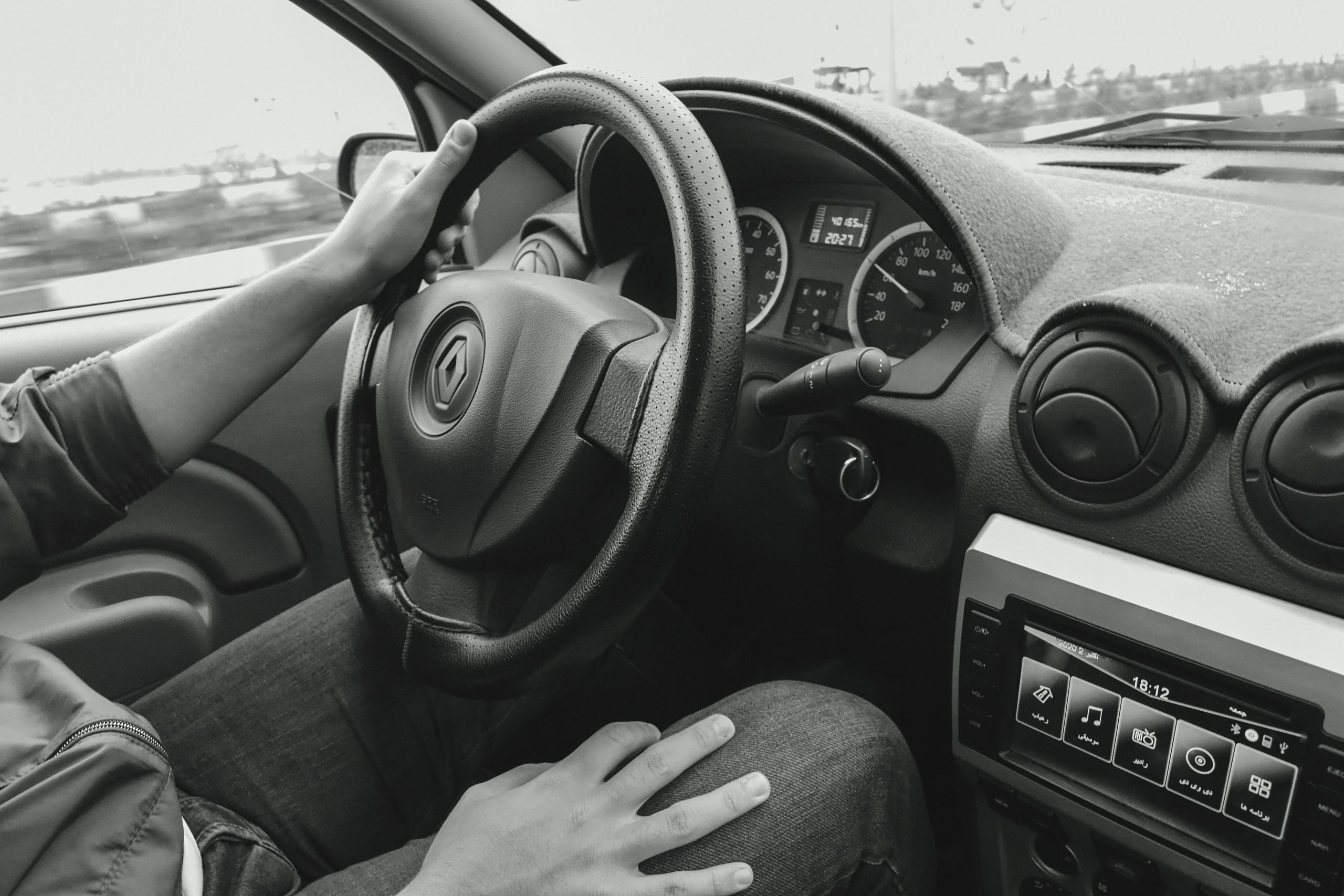
When your car stops shifting smoothly, it is natural to feel a bit of panic. You might be driving to work when suddenly the gears grind, or you step on the gas and the engine revs but the car barely moves. Your first thought might be, “Oh no, my transmission is dead.” Since a total transmission rebuild can cost thousands of dollars, this is a scary thought for any car owner.
However, if you drive a manual car, there is a good chance that the problem isn’t the entire gearbox. It might just be the clutch. While a clutch replacement isn’t exactly cheap, it is much simpler and more affordable than fixing the internal gears of a transmission.
The trick is knowing how to tell the difference. In this guide, we will look at the signs of a bad clutch and compare them to more serious gearbox issues. Understanding these signals will help you talk to your mechanic with confidence and might just save you from a massive repair bill you don’t actually need.
The “Bridge” Between Engine and Gearbox
To understand the symptoms, you first need to understand how these parts work together. Think of your engine as a spinning power plant. Think of your wheels as the destination for that power. Between them sits the transmission (the gearbox) and the clutch.
- The Clutch: This is a friction disc that sits between the engine and the transmission. Its job is to connect and disconnect the two. When you press the pedal, you break the connection so you can change gears.
- The Gearbox: This is a box full of different-sized gears. These gears determine how much power goes to the wheels.
When you have a problem, you have to figure out if the “bridge” (the clutch) is broken, or if the “destination” (the gearbox) has internal damage.
1. Slipping vs. Popping Out of Gear
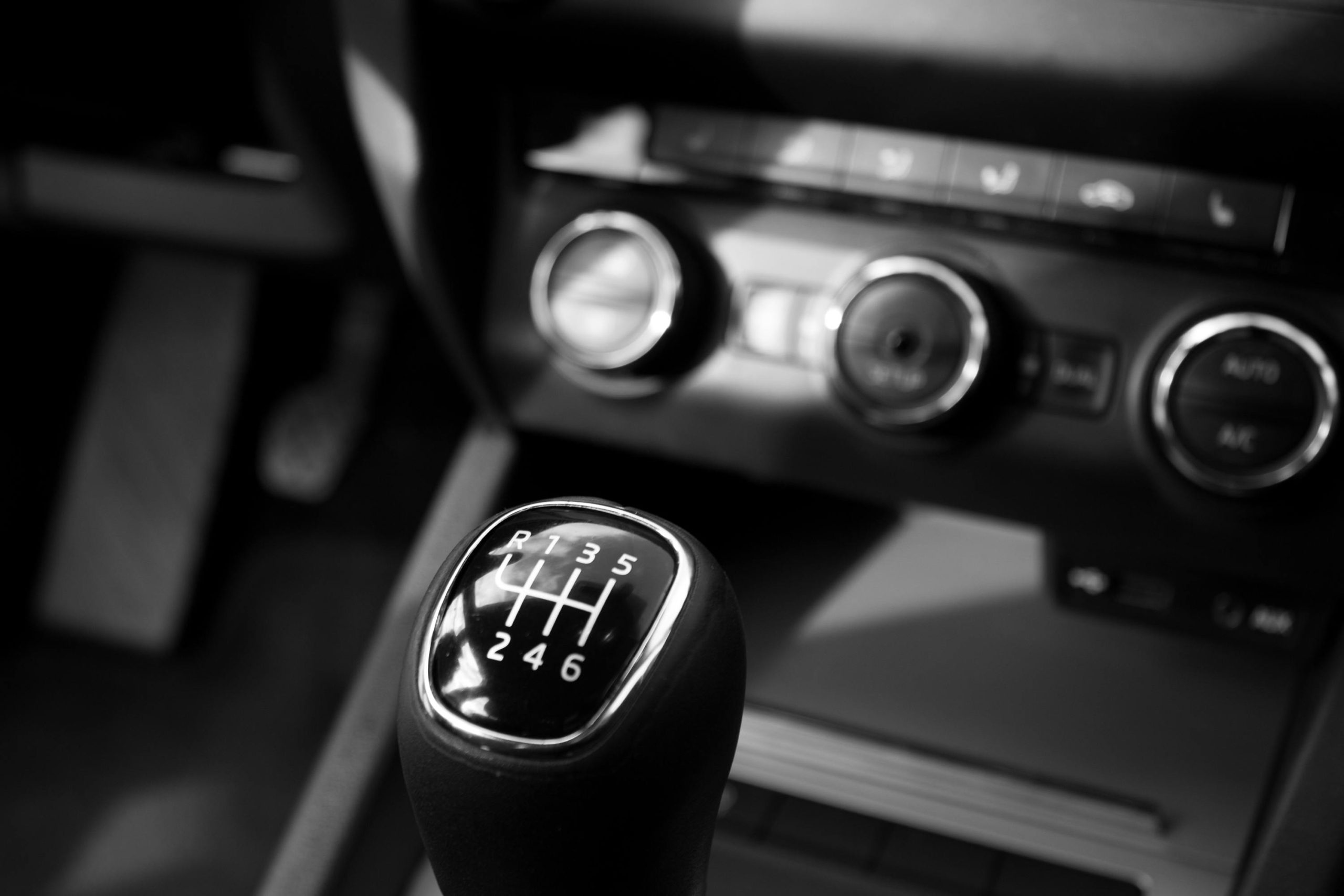
One of the most common signs of a bad clutch is “slipping.” This happens when the clutch disc can no longer hold onto the engine’s flywheel.
- The Clutch Symptom (Slipping): You are driving in third gear and you accelerate. The engine revs up high, but the car doesn’t speed up. The car stays in gear, but the connection is weak. This is almost always a sign that the clutch friction material is worn out.
- The Gearbox Symptom (Popping Out): You are driving along, and suddenly the gear shifter literally jumps out of gear and into neutral. You didn’t touch the pedal, but the car “rejected” the gear. This is usually a gearbox issue, often caused by worn-out “synchros” or a shift linkage problem.
- The Key Difference: If the car stays in gear but won’t “catch,” it’s the clutch. If the car won’t stay in the gear you selected, it’s the gearbox.
2. Grinding Noises: When Does it Happen?
Grinding sounds are a classic sign of trouble, but the timing of the noise tells the whole story.
- The Clutch Symptom: If you hear a grinding noise only when you are pressing the clutch pedal or trying to move the shifter into a gear, the clutch is likely the culprit. It means the clutch isn’t fully disconnecting the engine from the transmission. The gears are still spinning slightly when you try to mesh them together.
- The Gearbox Symptom: If you are driving with your foot completely off the clutch and you hear a constant whining, humming, or growling sound that gets louder as you go faster, that is usually a bearing inside the gearbox. If the car grinds in only one specific gear (like always grinding in second but never in third), that points to a worn synchronizer ring inside the transmission.
- The Key Difference: Clutch grinding usually happens during the transition. Gearbox noises usually happen while you are settled in a gear and moving.
3. The Smell Test: Burnt Toast or Burnt Oil?
Your nose is actually a great diagnostic tool. Different parts of your car use different types of fluids and materials, and they smell very different when they get too hot.
- The Clutch Symptom: A failing clutch uses friction material that smells like burnt paper or “burnt toast” when it gets too hot. It is a very sharp, acrid smell. If you smell this after driving up a hill or in heavy traffic, you are smelling the signs of a bad clutch that is overheating.
- The Gearbox Symptom: Transmission fluid has a very different smell. When it burns, it smells like burnt oil or even slightly “sweet” but sour. If you see a red or brown puddle under your car and it smells like oily smoke, you have a transmission leak.
- The Key Difference: Burnt paper smell equals clutch. Burnt oily smell equals transmission fluid.
4. Pedal Feel vs. Shifter Feel
Sometimes the “vibe” of the car tells you exactly where to look.
- The Clutch Symptom: Pay attention to your left foot. Is the pedal vibrating? Is it stuck to the floor? Is it incredibly stiff? A vibrating clutch pedal often means the “pressure plate” or the “throw-out bearing” is failing. These are all parts of the clutch system.
- The Gearbox Symptom: Pay attention to your right hand on the shifter. Does it feel like you are “stirring a pot of soup”? Is it hard to physically move the lever into the slots? If the shifter feels loose or “crunchy” even when the engine is turned off, the problem is likely in the shift cables or the gearbox itself.
- The Key Difference: Problems felt in the pedal are clutch issues. Problems felt in the gear stick are usually gearbox or linkage issues.
5. Why Environment Impacts Longevity
Where you drive can be just as important as how you drive when it comes to transmission health. Heavy traffic and steep hills put a lot of strain on the connection between your engine and your wheels. If you are constantly in stop-and-go traffic, the friction material on your clutch is rubbing against the flywheel thousands of times more often than a highway driver’s would.
When people ask how long does a clutch last, they have to consider their daily route. A car driven mostly on the open highway might reach 150,000 miles on its original parts. However, a car in a hilly city might show signs of a bad clutch as early as 40,000 miles. Keeping your car out of “high-stress” shifting situations whenever possible is the best way to delay a visit to the repair shop.
How Driving Habits Impact Both

Whether the problem is your clutch or your gearbox, your driving style plays a huge role in how long these parts last.
To protect your clutch, avoid “riding” the pedal. This means your foot should never be resting on the clutch unless you are actively shifting. Even a tiny bit of pressure can cause the disc to heat up. Also, never use the clutch to hold your car on a hill; use your brakes instead.
To protect your gearbox, make sure you are coming to a complete stop before shifting into reverse. Shifting into reverse while the car is still rolling forward is the fastest way to “chip” a gear tooth. Also, make sure you are pressing the clutch pedal all the way to the floor for every single shift. “Half-clutching” causes the gears to clash, which eventually leads to those expensive grinding noises.
Conclusion
Don’t let a shifting problem ruin your day. By knowing the signs of a bad clutch—like slipping, a high bite point, or a burnt paper smell—you can distinguish it from the more serious “clunking” and “gear rejection” of a failing gearbox.
If you notice your engine revving without the car speeding up, or if your pedal feels strange, take a breath. It is likely just the clutch. Being able to explain these specific symptoms to your mechanic will help them get you back on the road faster and help ensure you aren’t paying for a transmission rebuild when all you needed was a new friction disc.