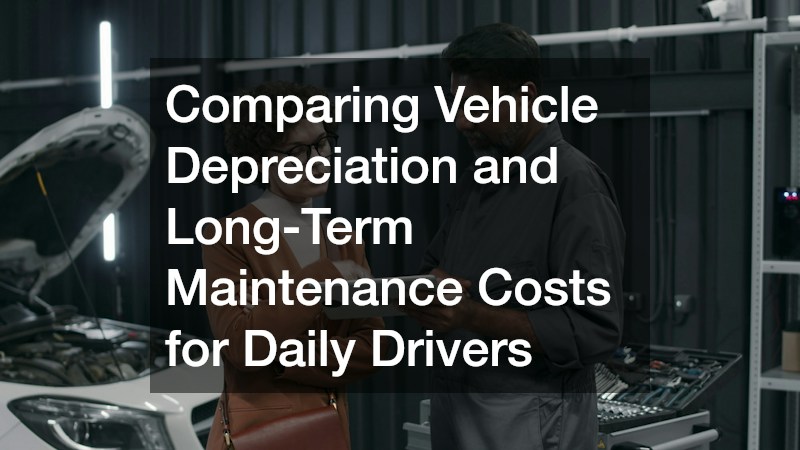
When calculating the real expense of owning a commuter vehicle, prospective buyers frequently fixate on the monthly finance or lease obligation. While this number is predictable and easy to budget, it represents only a fraction of what an owner actually spends over the life of a vehicle. The true financial impact of daily driving lies in the complex, dynamic balance between what a vehicle loses in market value over time and what it demands in ongoing mechanical upkeep.
The Depreciation Curve: Understanding Where Vehicle Equity Vanishes

Depreciation is typically the single largest expense of operating a new daily commuter over its first several years. Unlike fuel or tire changes, depreciation produces no physical invoice, making it easy to ignore until trade-in or resale time arrives. Understanding how market valuation drops allows commuters to strategically time their purchases and avoid the steep downward slide that characterizes the initial ownership period.
Calculate First-Year Value Drops to Gauge True Commuter Expenses
Brand-new passenger cars lose a staggering proportion of their equity the instant they clear the dealership apron. The mathematical reality of new vehicle ownership involves several predictable factors:
- The Immediate Drop: Most passenger vehicles shed between 10% and 15% of their total value within the initial month of registration. By the conclusion of the first twelve months, typical depreciation claims anywhere from 20% to 25% of the vehicle’s original sticker price.
- The High-Mileage Penalty: Daily commuters who drive fifteen to twenty-five thousand miles annually compound this baseline drop. The secondary automotive market heavily penalizes accelerated odometer numbers, discounting high-mileage newer cars significantly faster than average-mileage alternatives.
- Luxury Brand Volatility: Mainstream compacts and midsize commuter sedans often retain residual value far better than complex luxury sedans. Premium brands rely heavily on cutting-edge technology and short lease cycles, causing their secondary valuations to plunge dramatically once factory warranties conclude.
- The Finance Dilemma: When buyers finance a new daily commuter with minimal down payments over sixty to eighty-four months, the steep initial depreciation curve regularly leaves them in negative equity, owing more than the car is worth for years.
Evaluate Pre-Owned Market Sweet Spots to Flatten Value Loss
Savvy commuters navigate the depreciation curve by seeking out vehicles that have already absorbed the initial equity blow. Buying three- to five-year-old used cars provides a major financial buffer, as these vehicles enter a plateaued phase where annual depreciation flattens out to roughly 8% to 10% per year:
- The Residual Plateau: By acquiring a vehicle that has already shed 40% to 50% of its manufacturer suggested retail price, your capital loss over a three-year driving window is dramatically curtailed compared to buying new.
- Verification via Inspections: Purchasing an off-lease or pre-owned daily commuter requires diligent mechanical verification. Securing a comprehensive, multi-point pre-purchase evaluation from a qualified provider of local auto repairs allows prospective buyers to identify hidden fluid leaks, worn suspension bushings, or past collision repairs before completing a purchase contract.
- Insurance and Registration Reductions: Beyond capital preservation, purchasing pre-owned assets reduces supplementary operating expenses. State personal property taxes, registration levies, and comprehensive vehicle collision insurance policies scale directly with current market value, lowering your ongoing fixed monthly expenses.
Wear, Tear, and Safety: Planning for Inevitable Friction Components
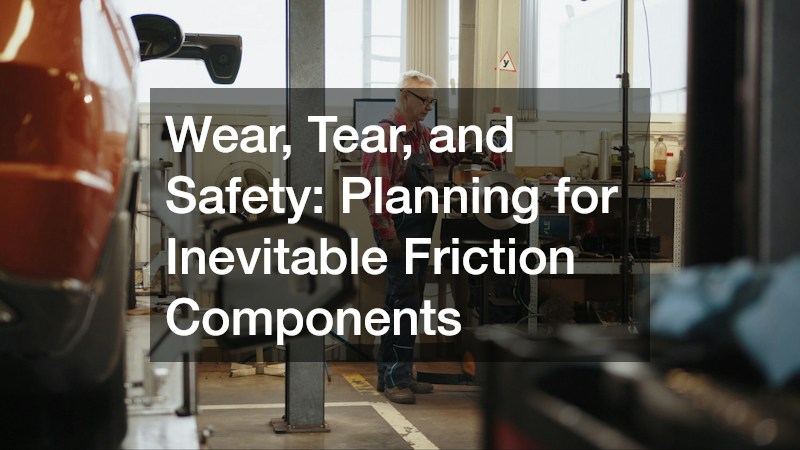
While an older daily driver successfully avoids rapid equity erosion, it gradually transitions into the rising slope of the mechanical upkeep curve. Friction, vibration, and thermal expansion continuously wear down chassis and running gear. Budgeting for these consumable systems ensures that your daily commute remains safe and prevents small component wear from turning into severe drivetrain failures.
Track High-Frequency Wear Items to Avert Compounding Mechanical Failures
Daily commuters require disciplined maintenance schedules because frequent stop-and-go driving places high demands on wear-and-tear components. Ignoring routine warning signs creates a cascading chain of damage across connected assemblies:
- Friction Pads and Hardware: Brake pads utilize sacrificial friction material designed to wear down gradually against cast-iron rotors. Postponing pad replacement allows the metal backing plate to make direct contact with the rotor face, scoring the metal, generating extreme friction heat, and destroying calipers.
- Tire Rotation and Balancing Cycles: Tires represent the sole point of contact between your vehicle and the roadway. Failing to rotate tires every five to seven thousand miles causes uneven shoulder scuffing, cupping, and premature tread expiration, cutting tire life by thousands of miles.
- Fluid Degradation: Modern internal combustion engines and transmissions rely on complex synthetic fluids containing specialized detergents, friction modifiers, and anti-foaming chemicals. Thermal cycling breaks down these additives, permitting varnish accumulation and accelerated metal-on-metal wear.
- Suspension Bushings and Ball Joints: Daily travel over uneven expansion joints, potholes, and speed bumps degrades rubber suspension bushings. As rubber tears, metal control arms vibrate excessively, accelerating wheel misalignment and destroying steering precision.
Establish Routine Safety Inspections to Safeguard Highway Commuting
Maintaining dependable highway performance requires a proactive relationship with dedicated maintenance professionals. Scheduling periodic check-ups at a dedicated brake repair shop guarantees that your hydraulic lines remain moisture-free, sliding caliper pins receive high-temperature synthetic lubrication, and braking balance stays true across both axles:
- Preventative Fluid Flushing: Brake fluid is naturally hygroscopic, absorbing ambient moisture from the air over time. Contaminated fluid boils under prolonged hard braking, creating compressible vapor pockets that lead to dangerous pedal fade. Routine two-year flushes prevent internal corrosion within delicate anti-lock braking actuators.
- Building a Mechanical Sinking Fund: Commuters who set aside seventy-five to one hundred dollars per month into an isolated vehicle repair account can handle routine maintenance items without turning to high-interest credit cards.
- Comprehensive Multi-Point Audits: Partnering with a trusted provider of local auto service ensures that technicians regularly inspect serpentine belts, water pump bearings, steering linkages, and radiator hoses before minor seepage escalates into roadside breakdowns.
Structural Realities and Road Hazard Recovery
Daily driving exposes vehicles to environmental hazards that extend beyond internal mechanical wear. Highway travel involves continuous exposure to airborne road debris, asphalt stones, tire fragments, weather fluctuations, and minor parking lot impacts. Addressing these exterior cosmetic and structural challenges requires strategic financial planning to prevent rapid physical deterioration.
Budget for Cosmetic and Impact Shielding Against Daily Road Debris
Commuting at highway velocities turns tiny gravel fragments and road grit into high-velocity projectiles capable of damaging critical vehicle surfaces:
- Forward Windshield Vulnerability: Windshields serve as a vital structural element of the passenger safety cell, assisting in roof-crush resistance and acting as a backstop for passenger-side airbag deployment. A tiny stone strike can quickly spread across the glass under temperature swings, compromising outward visibility and structural strength.
- Sensor and Calibration Concerns: Modern daily drivers frequently incorporate forward-facing cameras, rain sensors, and adaptive cruise control modules mounted directly against the interior windshield surface. Damaged glass disrupts camera alignment, requiring precise recalibration during replacement to keep driver assistance systems functional.
- On-Demand Glass Servicing: Commuters managing tight work schedules can minimize lost productivity by utilizing mobile windshield replacements. Certified mobile technicians replace laminated automotive glass, reset adhesive urethane seals, and recalibrate integrated camera arrays directly at your home or workplace parking lot.
- Exterior Finish Protection: Untreated paint chips on steel hoods and quarter panels expose underlying sheet metal to water, road grime, and winter salts, triggering oxidation and rust bubbles that ruin exterior aesthetic value.
Gauge Collision Damage Thresholds Against Residual Vehicle Valuation
Fender-benders, parking lot scrapes, and low-speed collisions introduce complex financial decisions for owners of older daily drivers:
- Assessing Sheet Metal Damage: Consulting reputable local auto body shops provides transparent estimates regarding whether deformed panels, crumpled bumpers, and scratched doors can be cost-effectively massaged and refinished or if they require full panel replacement.
- The Value-to-Repair Equation: On a ten-year-old vehicle valued at five thousand dollars, a purely cosmetic collision repair costing twenty-five hundred dollars rarely makes sound economic sense unless the owner plans to drive the car for several more years.
- Cosmetic Versus Functional Integrity: Commuters must distinguish between superficial cosmetic scratches and functional damage that affects wheel well clearances, headlight aiming, cooling airflow, or door weatherstripping.
- Preserving Resale Appeal: While minor imperfections are acceptable on high-mileage commuters, leaving severe dents untreated invites rust, lowers structural integrity, and drastically reduces vehicle trade-in equity.
Deep Mechanical Interventions and Component Sourcing

Once a daily commuter crosses the hundred-thousand-mile threshold, it enters an operational phase where major powertrain, emissions, and driveline components reach the end of their engineered service life. Successfully navigating this era of vehicle ownership without overspending requires understanding component replacement options and finding skilled mechanical support.
Optimize Major Component Swaps to Extend Powertrain Lifespans
The critical turning point in commuter economics arrives when a primary vehicle system experiences catastrophic mechanical failure:
- Powertrain Overhauls: Timing chains stretch, automatic transmission clutch packs glaze, head gaskets breach, and air conditioning compressors seize under prolonged mileage. These repairs commonly carry invoices ranging from fifteen hundred to four thousand dollars.
- Diagnostic Precision: Resolving complex electronic, hydraulic, and engine timing issues demands seasoned technicians equipped with advanced diagnostic scanning equipment. Engaging an experienced, full-service automobile repair service prevents expensive misdiagnoses and ensures replacement parts are installed to strict factory standards.
- Preventative Component Bundling: When a technician disassembles the front of an engine to replace a failing water pump or timing belt, smart vehicle owners replace related idler pulleys, tensioners, and camshaft seals simultaneously. Bundling related repairs eliminates duplicate labor charges down the road.
- Analyzing Cost per Mile: While a two-thousand-dollar repair bill on an older vehicle feels daunting, it equals just three or four months of new-car payments. If that repair grants another two years and thirty thousand miles of reliable commuting, it represents an outstanding return on investment.
Lower Replacement Overhead Through Strategic Sourcing Options
Vehicle owners can substantially curb severe mechanical repair costs by strategically choosing between new OEM, aftermarket, remanufactured, and recycled hardware:
- The High Cost of Factory Components: Sourcing brand-new original equipment manufacturer (OEM) replacement components directly through dealership parts departments guarantees fitment, but often carries prohibitive markups that make older vehicle repairs economically unviable.
- Recycled Component Advantages: Sourcing a tested, high-grade used auto part offers an economical alternative for expensive items like alternators, starters, steering racks, transfer cases, and complete engine long blocks.
- Safety Versus Non-Safety Sourcing: While safety-critical friction components—such as brake rotors, hydraulic lines, and steering tie rods—should always be purchased brand new, non-friction components like intake manifolds, alloy wheels, body control modules, and rear differentials can safely be sourced second-hand.
- Warranty Verification on Recycled Gear: Reputable automotive salvage recyclers and specialized suppliers provide short-term replacement warranties on tested mechanical assemblies, ensuring peace of mind while cutting your total repair invoice in half.
Structural Integrity and the Total Loss Threshold
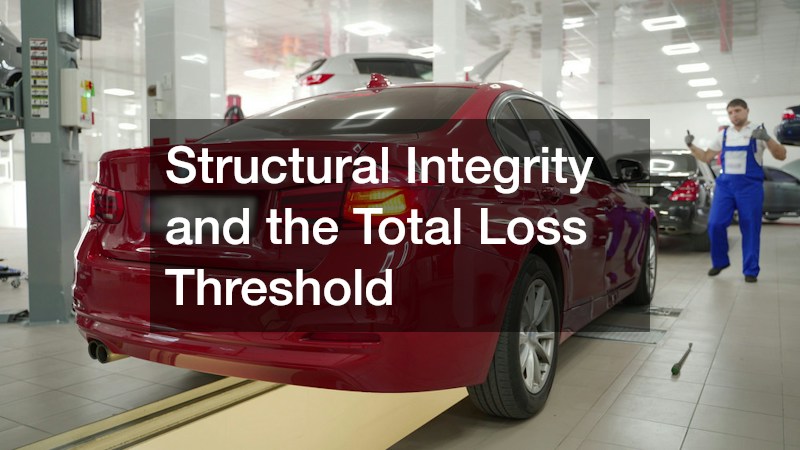
Beyond consumable components and powertrain assemblies sits the physical backbone of the vehicle—the unibody or ladder frame. Daily driving over brutal roads, combined with the occasional unseen pothole or minor curb impact, can compromise structural alignment, creating hidden safety risks and accelerating tire wear.
Audit Chassis Alignment to Maintain Vehicle Handling and Tire Life
The structural framework of modern unibody vehicles is engineered with calculated crumple zones and rigid passenger safety cells. However, sharp impacts can alter structural geometry:
- The Consequences of Frame Shifting: When a vehicle’s core structural rails twist even a fraction of an inch from factory alignment, suspension components can no longer be adjusted into correct alignment angles.
- Accelerated Scrubbing and Wear: A misaligned chassis forces tires to scrub sideways down the highway rather than rolling forward freely. This condition drastically increases rolling resistance, reduces fuel efficiency, and can destroy a new set of tires within just a few thousand miles.
- Restoring Factory Geometry: Correcting underlying chassis deflection requires heavy-duty hydraulic pulling towers and computerized laser measuring systems. Specialized technicians performing auto frame repairs carefully measure factory reference datum points, pulling and realigning the unibody back into original dimensional tolerances.
- Suspension Mount Verification: Impact forces can also bend structural subframes, engine cradles, and strut towers. Ensuring these primary hardpoints sit square and true prevents irregular tire wear and restores crisp, predictable emergency handling.
Determine Replacement Milestones When Structural Repairs Exceed Residual Worth
Every daily commuter eventually encounters a crossroad where repairing severe mechanical or structural damage no longer makes sense:
- Consulting Professional Structural Specialists: Visiting certified auto body centers provides comprehensive damage evaluations. Technicians can quickly determine whether deep unibody corrosion, floor pan rot, or severe impact damage compromises the passenger cell beyond practical repair limits.
- Calculating the Total Loss Equation: Insurance underwriters consider a vehicle a constructive total loss when estimated repairs reach 70% to 80% of its fair market value. Private owners should apply a similar mathematical framework when deciding whether to keep investing in an older daily commuter.
- Evaluating Opportunity Costs: If an older vehicle requires continual visits to the shop, the owner loses more than just repair funds. Lost working hours, towing expenses, and the stress of unpredictable breakdowns represent hidden expenses that tip the balance.
- Executing a Controlled Transition: The ideal time to sell or trade in a daily driver is while the vehicle remains running, fully operational, and mechanically sound.
The financial sweet spot for daily commuters lies in acquiring well-maintained, reliable vehicles that have already navigated the steepest portion of their depreciation curves. Establishing a modest monthly repair reserve, monitoring structural health, and addressing minor problems before they compound into major failures will ensure your daily driver delivers safe, reliable transportation at the absolute lowest cost per mile.