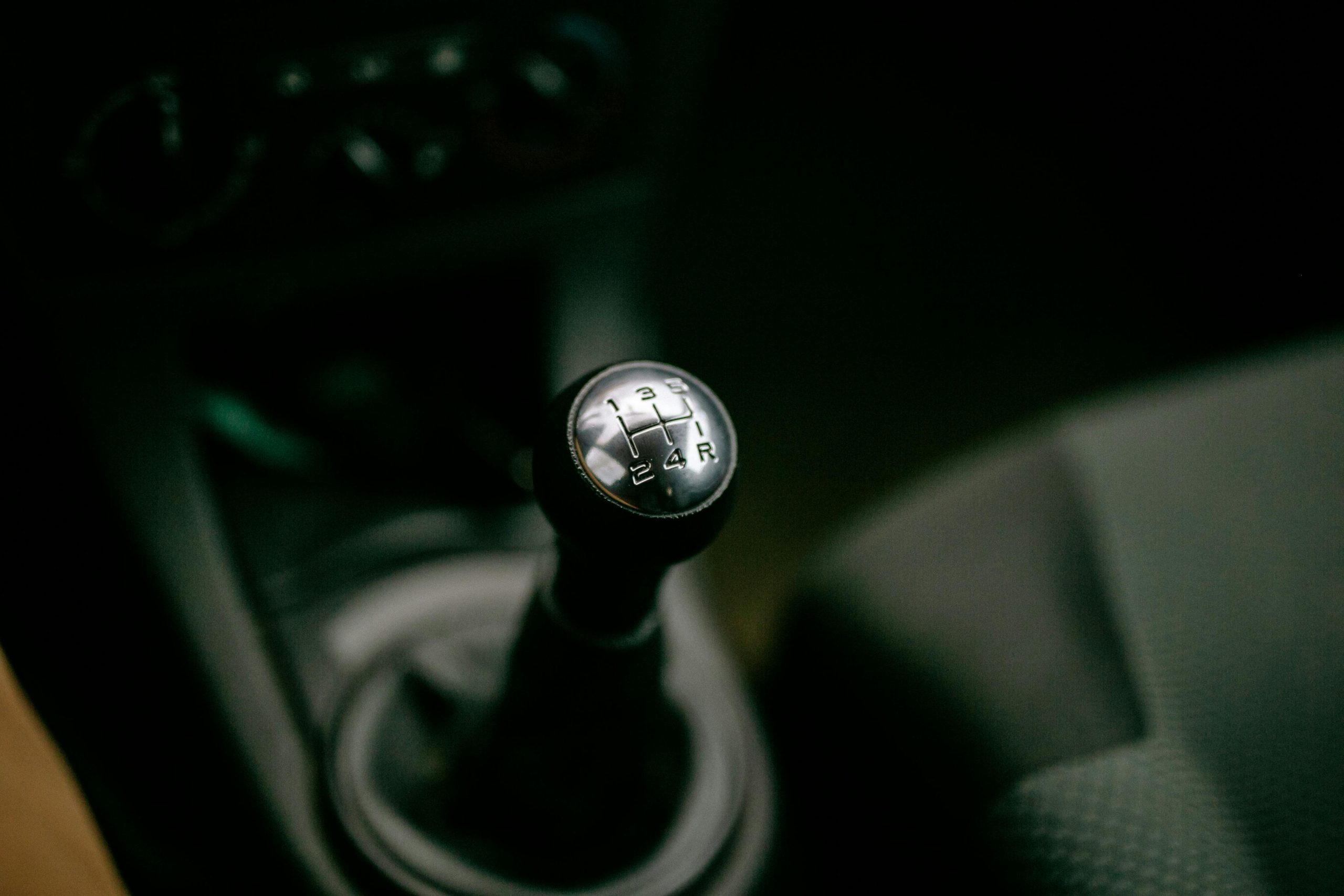
Driving a manual transmission car gives you a level of control that an automatic just can’t match. You feel the engine’s power, you decide exactly when to shift, and you are truly connected to the machine. However, that connection comes with a specific responsibility: taking care of the clutch. The clutch is the “handshake” between your engine and your wheels. When it works perfectly, your car moves smoothly. When it starts to fail, it can turn your daily commute into a stressful and expensive ordeal.
One of the most common questions for manual drivers is: how long does a clutch last? Unlike a car’s battery or tires, which have fairly predictable lifespans, a clutch is a “wear item” that is almost entirely dependent on how you drive. Some drivers can make a clutch last for the entire life of the car, while others might burn through one in just 20,000 miles.
In this guide, we will explore the mystery of the clutch’s lifespan. We will look at the signs that your clutch is “slipping,” what causes it to wear out, and how you can change your habits to make it last as long as possible.
What Exactly Does a Clutch Do?
Before we talk about how long it lasts, we need to understand what it is. In simple terms, your engine is always spinning when the car is on. Your wheels, however, are not. To stop at a red light without the engine dying, you need a way to disconnect the engine from the transmission. That is the clutch’s job.
Inside your car, the clutch is a friction disc pressed tightly against a heavy metal plate called a flywheel. When your foot is off the pedal, springs push these together so hard that they spin at the same speed. When you press the pedal down, you pull them apart, allowing the engine to spin freely while the wheels stay still.
Every time you “engage” the clutch (let the pedal up), there is a brief moment where the disc is sliding against the flywheel. This creates heat and friction. Over time, this friction wears away the material on the clutch disc, just like the pads on your brakes.
The Big Question: How Long Does a Clutch Last?
If you are looking for a single number, most mechanics will tell you that a modern clutch should last between 60,000 and 100,000 miles. However, this is a very wide range.
- The Highway Cruiser: If you spend most of your time on the highway in fifth or sixth gear, you aren’t using your clutch very much. In these conditions, a clutch can easily last 150,000 miles or more.
- The City Commuter: If you live in a place like San Francisco or New York City, you are constantly shifting, stopping, and starting on hills. This “stop-and-go” driving puts a massive amount of heat into the clutch. In these cases, you might find yourself needing a replacement at 40,000 to 50,000 miles.
- The Performance Driver: If you use your car for racing or “spirited” driving, you are putting much more torque and heat through the system. This can significantly shorten the lifespan.
Essentially, the answer to how long a clutch lasts is found in how many times you move the pedal. Every “launch” from a stop takes a tiny bit of life away from the disc.
5 Signs Your Clutch is “Slipping”
“Slipping” is the term mechanics use when the clutch disc can no longer hold onto the flywheel. Instead of locking together, they slide against each other even when your foot is completely off the pedal. Here is how to tell if your clutch is on its last legs:
1. The RPM Spike
This is the most famous sign of a failing clutch. Imagine you are driving in third gear and you step on the gas to pass someone. You see the needle on your tachometer (the RPM gauge) jump up quickly, but the car doesn’t actually speed up. This means the engine is spinning faster, but the clutch is “slipping” instead of sending that power to the wheels.
2. The High “Bite Point”
Think about where the car starts to move as you let the pedal up. When a clutch is new, the “bite point” is usually near the floor. As the disc gets thinner, that point moves higher and higher. If you find that the car doesn’t start moving until the pedal is almost completely released, your disc is likely very thin.
3. The “Burning Toast” Smell
A slipping clutch creates an incredible amount of heat. This heat actually “cooks” the friction material on the disc. It creates a very specific, acrid smell that is often described as burning paper or burnt toast. If you smell this after driving up a steep hill or backing up a trailer, your clutch is overheating.
4. A Spongy or Stiff Pedal
The clutch system uses hydraulics (fluid pressure) to move the heavy springs. If the pedal feels very soft (like stepping on a marshmallow) or incredibly stiff, it could be a sign that the pressure plate or the hydraulic cylinders are failing.
5. Difficulty Shifting Gears
If you find that the car “grinds” when you try to shift into reverse or first gear while stopped, it means the clutch isn’t fully disconnecting the engine. This puts extra wear on your transmission and is a sign that the clutch system needs immediate attention.
Habits That Kill a Clutch Early
If you want to know how long a clutch lasts, you have to look at your left foot. Here are the three “deadly sins” of manual driving that lead to early failure:
- Riding the Clutch: This is the most common mistake. It happens when a driver keeps their foot resting lightly on the clutch pedal while driving. Even the weight of your foot is enough to partially release the pressure, causing the disc to slip and heat up. Always use the “dead man’s pedal” (the footrest to the left) when you aren’t shifting.
- Holding the Car on a Hill: When stopped on an incline, some drivers use the clutch to hold the car in place instead of the brakes. This is like holding a match to your wallet. You are generating massive heat for no reason. Use your handbrake or your foot brake until it’s time to move.
- “Launching” at High RPM: Revving the engine to 4,000 RPM and “dumping” the clutch might feel fast, but it’s the quickest way to ruin a disc. It creates a “shock load” that can even break the springs inside the clutch assembly.
How to Make Your Clutch Last Longer
Now that we know what not to do, let’s look at how to reach that 100,000-mile goal.
- Shift Decisively: When you shift, do it smoothly but quickly. You want to minimize the amount of time the clutch is in that “halfway” position where it is sliding.
- Don’t Shift More Than Necessary: If you see a red light far ahead, just take your foot off the gas and coast in gear. There is no need to downshift through every single gear if you are just coming to a stop.
- Use Neutral at Red Lights: If you are going to be stopped for more than a few seconds, put the car in neutral and take your foot off the clutch. This saves wear on the “throw-out bearing,” which is a small part that can be expensive to fix.
- Listen to Your Car: If you hear a “chirping” or “whirring” sound that goes away when you press the clutch pedal, it is an early warning sign. Getting it checked early might save you from needing a full (and expensive) replacement.
The Cost of Replacement

If your clutch is truly slipping, there is no “easy fix.” You cannot add fluid or tighten a bolt to make a worn disc thick again. The only solution is to replace it.
Replacing a clutch is a big job because the mechanic has to remove the entire transmission to get to it. This usually takes 6 to 10 hours of labor. Depending on your car, a clutch replacement usually costs between $1,200 and $2,000. Because the labor is so expensive, it is usually a good idea to replace the pressure plate, the throw-out bearing, and the pilot bearing at the same time.
Conclusion
So, how long does a clutch last? The answer is largely in your hands (and your feet). By avoiding bad habits like “riding the pedal” and by learning to recognize the signs of a slipping clutch early, you can ensure that your manual transmission stays a joy to drive rather than a burden on your bank account.
Your car is a complex machine that communicates with you through sound, feel, and even smell. Pay attention to those signals. If you treat your clutch with respect, it will reward you with years of smooth, controlled driving.