Owning a vehicle involves much more than filling the tank and changing the oil. Over time, every driver will encounter maintenance needs, safety concerns, cosmetic damage, inspection requirements, or decisions about upgrades. Understanding what different automotive services actually do can make those situations less confusing and help you respond before a small problem becomes a larger one.
A practical approach is to think about vehicle care in layers. Safety-related concerns come first, followed by mechanical reliability, structural or accident-related damage, environmental damage, and finally comfort or appearance upgrades. Keeping service records, paying attention to changes in how the vehicle drives, and asking clear questions before approving work can make ownership more predictable.
You do not need to become an automotive expert. You simply need to recognize when something has changed, know which type of professional may be appropriate, and understand what questions to ask. The following services cover some of the most common situations drivers encounter.
Prioritize Safety Before Convenience or Appearance
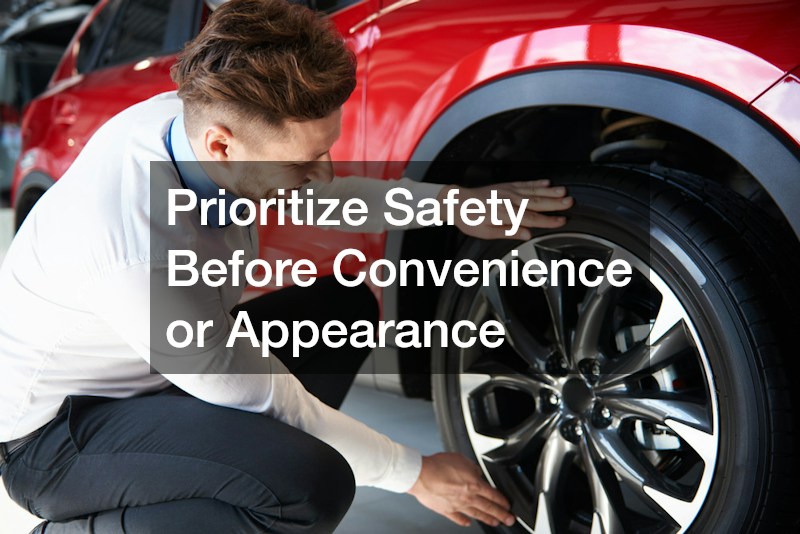
Braking problems deserve immediate attention because they directly affect your ability to control and stop the vehicle. Warning signs can appear gradually, so it is important not to dismiss changes simply because the car still stops.
Common symptoms include squealing or grinding, vibration through the steering wheel or pedal, pulling to one side, a soft or unusually firm pedal, longer stopping distances, or dashboard warning lights. A brake repair service can inspect the system and determine whether the issue involves pads, rotors, calipers, fluid, hoses, or another component.
Do not wait for complete failure before scheduling an evaluation. Worn parts can sometimes affect surrounding components, turning a relatively straightforward repair into a more expensive job.
When discussing braking concerns, ask:
- What part is worn or damaged?
- How much usable material remains on the pads?
- Were both front and rear brakes inspected?
- Do the rotors need resurfacing or replacement?
- Is the brake fluid in acceptable condition?
- Are there related components showing wear?
Required inspections are another important safety checkpoint. A state inspection may evaluate items such as tires, lighting, emissions equipment, windshield condition, wipers, or other required systems depending on local rules.
Drivers can make the process easier by checking obvious items beforehand. Confirm that exterior lights work, tires have adequate tread, warning lights are not being ignored, and required documents are available. If the vehicle fails, ask for a clear explanation of the specific deficiency rather than assuming a large repair is automatically necessary.
Keep inspection reports with your other maintenance records. Over time, they can help you track recurring issues and provide useful documentation if you eventually sell the vehicle.
Tire condition should also be considered whenever braking performance changes. Uneven wear, low pressure, or poor traction can affect how the vehicle responds during hard stops, especially in rain or snow. Safety systems work together, so evaluating the entire situation can be more useful than focusing on one part in isolation.
Address Mechanical Problems Before They Affect Reliability
Mechanical problems often begin with subtle symptoms. A new vibration, fluid leak, unusual smell, delayed start, or change in engine sound may be easy to ignore when the vehicle still operates normally. Those early clues are often the best time to seek help.
Professional auto repair services can diagnose the cause rather than relying on guesswork. When scheduling an appointment, describe exactly what you experience instead of trying to name the failed part yourself.
Useful details include:
- The speed at which the symptom appears
- Whether the engine is hot or cold
- Whether the problem happens while accelerating, braking, or turning
- Any warning lights
- Recent repairs
- Whether the issue is constant or intermittent
- Any unusual sounds or smells
That information can help the technician reproduce the problem and narrow the diagnostic process.
Drivers should also understand the difference between routine maintenance and repair. Maintenance is intended to reduce wear and keep systems operating correctly. Examples include fluid changes, filters, belts, hoses, tire rotations, and scheduled inspections. Repairs address a part or system that is already worn, damaged, or malfunctioning.
Power-transfer problems require particular attention because vibration or clunking may involve components beneath the vehicle. A custom driveline may be appropriate for modified vehicles, restorations, specialty applications, or situations where a standard replacement component does not fit the vehicle’s configuration.
If you notice vibration under acceleration, clunking during gear changes, or noises from beneath the vehicle, have the issue professionally evaluated. Ask whether balancing, alignment, worn joints, mounts, or other drivetrain components may be contributing.
The most useful question is not only, “What is broken?” Ask why it failed, whether another component contributed, and whether additional work will be needed after the repair. Understanding the cause can help prevent the same issue from returning.
Keeping up with maintenance also makes diagnosis easier. When fluid changes, filters, belts, batteries, and other scheduled items are documented, a technician has a clearer picture of what has already been addressed. That history can help separate a new failure from neglected routine work.
Handle Accident Damage as a Structural Issue First
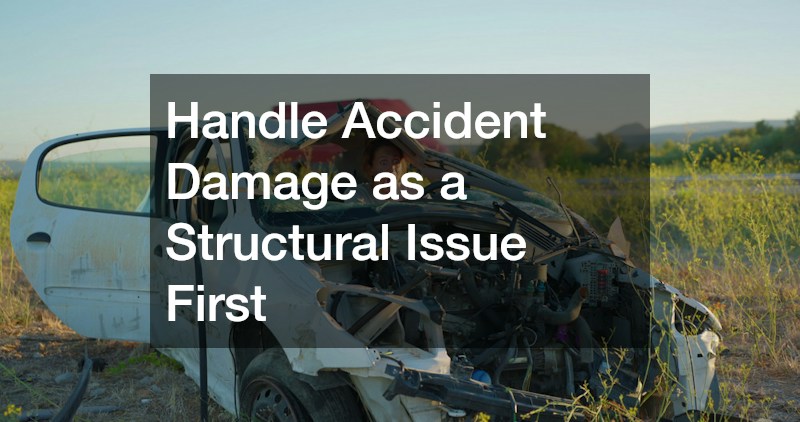
After a collision, visible dents and scratches are only part of the story. Modern vehicles contain structural components, sensors, lighting systems, reinforcement bars, and driver-assistance technology behind exterior panels. Even a relatively low-speed impact can affect parts that are not immediately visible.
A collision repair evaluation should look beyond cosmetic damage. Depending on the impact, technicians may need to check frame or unibody alignment, suspension components, bumper reinforcement, sensors, wheel alignment, lighting, or safety systems.
Before authorizing work, ask what the estimate includes. A complete estimate may contain:
- Replacement or repair of damaged panels
- Labor
- Paint and refinishing materials
- Structural measurements
- Wheel alignment
- Sensor calibration
- Replacement hardware or clips
- Additional work discovered after disassembly
Initial estimates sometimes change because hidden damage cannot be confirmed until damaged panels are removed. Ask how supplemental work will be communicated and whether approval is required before additional repairs proceed.
Once structural and mechanical concerns have been addressed, auto body repair focuses on restoring the exterior. That may include dent correction, panel replacement, refinishing, paint matching, corrosion protection, and alignment of doors, hoods, or trunk panels.
Paint matching is especially important on older vehicles because existing paint may have faded over time. Ask how the shop blends new paint into surrounding areas and what warranty applies to refinishing work.
Before accepting the completed vehicle, inspect it carefully. Check panel gaps, open and close doors and the trunk, view the paint in different lighting, and make sure dashboard warning lights are off. During the first drive, pay attention to steering, vibration, or new noises.
Keep copies of estimates, invoices, and accident documentation. If the vehicle is sold later, those records can help explain what was repaired and when.
After an accident, photograph the vehicle before repairs begin and save insurance correspondence alongside shop paperwork. This documentation can be useful if questions arise later about the scope of damage, replaced parts, or whether a later symptom may be connected to the original impact. That context can also help if questions about the repair arise later.
Restore Damage Caused by Water and Road Hazards
Environmental damage can affect a vehicle even when there has been no crash. Flooding, leaking seals, clogged drains, open windows, or storm damage can introduce water into the cabin. The visible moisture may be only a small part of the problem because carpeting, padding, wiring, and electronic modules can trap water below the surface.
A car water damage restoration service can evaluate how far moisture has traveled and determine what can be dried, cleaned, repaired, or replaced. Acting quickly is important because lingering moisture may lead to odors, corrosion, staining, or electrical problems.
Before cleanup begins:
- Photograph affected areas
- Remove personal belongings
- Record where the water appears to have entered
- Check insurance coverage if the event may be covered
- Avoid assuming surfaces are dry just because they feel dry on top
If the vehicle was exposed to significant flooding, do not automatically start it. Water may have reached electrical or mechanical components that require inspection first.
Road hazards can create a different kind of damage. Potholes, curbs, and debris can bend or crack wheels and damage tires. Warning signs include steering-wheel vibration, repeated air loss, visible rim damage, pulling, or a change in ride quality.
A local rim repair specialist can assess whether the wheel can be safely repaired or should be replaced. Cosmetic damage and structural damage are not the same, so professional evaluation matters.
A hard impact can also affect other parts of the vehicle. Ask whether the tire, alignment, suspension, or wheel bearing should be inspected. Replacing or repairing the wheel without checking surrounding components may leave the underlying problem unresolved.
After either water damage or a severe wheel impact, pay attention to new symptoms for several days. Electrical issues, odors, vibrations, or warning lights that appear later may still be related to the original event.
Upgrade Comfort and Appearance Without Compromising Function

Once the vehicle is mechanically sound, upgrades can make daily use more comfortable and personalized. The best modifications solve a real problem or add a feature you will use regularly.
Start by identifying your goal. Are you trying to reduce glare, protect the interior, improve storage, add technology, make the cabin easier to clean, or change the vehicle’s appearance? Defining the purpose makes it easier to avoid spending money on features that look appealing but add little practical value.
Auto window tinting can help reduce glare, improve privacy, and limit interior exposure to sunlight depending on the film selected. Before installation, ask about the film type, visible light transmission, warranty, heat-rejection characteristics, and local legal limits.
Tint regulations may differ by window and jurisdiction, so do not assume the same darkness is legal everywhere. Also ask how long the film should cure before windows are lowered or cleaned.
Aftermarket auto accessories can range from floor protection and storage systems to running boards, lighting, electronics, bed accessories, and exterior trim. Compatibility matters more than appearance alone.
Before buying an accessory, confirm:
- Exact year, make, model, and trim compatibility
- Whether installation requires drilling or wiring changes
- Whether cameras or sensors may be affected
- Whether airbags or safety systems are nearby
- Whether the accessory can be removed later
- Whether installation may affect a warranty
Simple removable items may be easy to install at home, but electrical, glass, structural, or safety-related modifications are often better handled professionally.
Think about resale and long-term use as well. Highly personalized modifications may not appeal to future buyers, while practical upgrades such as quality floor protection, cargo organization, or professionally installed tint may remain useful regardless of ownership plans.
Before modifying a vehicle, consider how the upgrade will affect cleaning, maintenance, parking, visibility, and daily use. The best addition is usually one that continues solving a real problem months after the novelty has worn off.
Understand the Purpose of Every Service
Responsible vehicle ownership is less about knowing how to perform every repair and more about recognizing when professional help is appropriate. Safety concerns should be addressed first, mechanical changes should be investigated before they become breakdowns, accident damage should be evaluated beyond what is visible, and environmental or road-related damage should be handled promptly.
Keep a simple vehicle file with service receipts, inspection reports, tire information, warranties, maintenance dates, and accident documentation. These records make it easier to understand what has already been done and help future technicians see the vehicle’s history.
When something changes, describe the symptom clearly and ask questions before approving work. Find out what failed, why it failed, what the proposed repair includes, and whether related components should be inspected.
Finally, treat appearance and comfort upgrades as the last step rather than the first. A vehicle that is safe, mechanically sound, and well documented provides a much better foundation for customization. By understanding the purpose of common automotive services, drivers can make more informed decisions, reduce uncertainty, and keep their vehicles safer and more reliable over the long term.