
The allure of a “diamond in the rough” is a powerful motivator for any automotive enthusiast. There is a unique romanticism in finding a forgotten relic in a barn or a high-performance icon that has seen better days, envisioning the moment it finally roars back to life. However, the initial purchase price of a used project vehicle is rarely the most significant number in your ledger. It is merely the entry fee into a complex world of logistics, engineering, and financial management.
Without a rigorous assessment of the mechanical, structural, and aesthetic needs of the vehicle, what looks like a bargain can quickly evolve into a draining financial burden. The “project car” label is often used by sellers to mask neglect or catastrophic failures that require specialized knowledge to rectify. To successfully navigate this journey, a buyer must look beyond the rusted fenders and the dusty dashboard to calculate the actual cost of restoration.
Evaluating Structural Integrity and Surface Damage
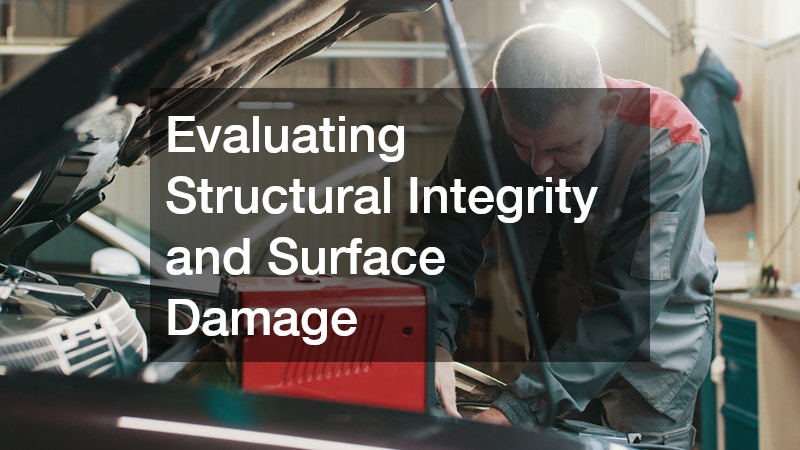
Metal fatigue and oxidation are the silent killers of automotive dreams, often hiding beneath a deceptively clean layer of paint. When you inspect a vehicle, you must distinguish between light surface rust, which is largely cosmetic, and structural rot that compromises the safety of the cabin and the rigid points of the suspension. Many enthusiasts underestimate the cost of specialized labor required to bring a compromised frame back to factory specifications, assuming a simple patch will suffice when, in reality, the metal may be too thin to support a safe weld.
If the vehicle has been involved in a collision, you will likely need to coordinate with an auto body center to utilize a frame rack. This equipment is necessary to ensure the chassis is perfectly straight, as even a few millimeters of misalignment can lead to permanent handling issues, strange vibrations, and rapid, uneven tire wear. These facilities have the heavy-duty hydraulic tools and laser-measuring systems required to pull a bent unibody back into alignment, a task that is virtually impossible to perform in a home garage with standard jacks and chains.
Beyond the frame, you must budget for the actual materials and hours involved in a professional auto body repair. While it is tempting to think that a bit of filler and a sanding block can fix everything, true restoration involves cutting out diseased metal and welding in fresh steel patches or entire quarter panels. The cost of labor for high-quality metalwork can often exceed the market value of the car if the damage is extensive, making it vital to calculate these expenses before the title is signed. Professional bodywork is a slow, meticulous process where “cutting corners” almost always leads to bubbling paint and returning rust within a year or two.
When a unibody is twisted or a floor pan is rotted, it allows moisture to permeate the interior, leading to mold in the upholstery and corrosion in the electrical harness. A project car with a compromised shell is often more expensive to restore than one with a blown engine, as mechanical parts can be bolted on, but structural integrity must be meticulously rebuilt from the marrow of the machine.
- Check the “A” and “B” pillars for any signs of buckling, rippling in the metal, or previous poor welding that suggests a major rollover or side impact.
- Inspect the floor pans, rocker panels, and trunk floor, as these are common areas for water to pool and cause hidden rot from the inside out.
- Use a magnet to check the entire lower half of the car for thick layers of plastic filler that might be hiding serious dents, holes, or “chicken wire” repairs.
- Examine the gaps between doors, fenders, and the hood; uneven gaps are a classic “red flag” for a frame that is no longer square.
Assessing the Powertrain and Mechanical Reliability
The heart of the project is the drivetrain, and it is usually the area where costs spiral out of control the fastest. An engine that “ran when parked” ten years ago is often a seized block of iron that requires a total teardown. Beyond the engine, the system that transfers power to the wheels is frequently the most neglected component in a used vehicle.
Many sellers will gloss over a slipping gear or a delayed engagement during a test drive, but the reality of transmission rebuilds is a significant financial hurdle. These units are incredibly complex, containing a labyrinth of hydraulic valves, planetary gears, and friction clutches. Depending on the rarity of the vehicle, sourcing the specific internal hard parts or finding a technician with the specialized tools for that specific model can add thousands of dollars to your restoration budget.
To avoid ending up with a collection of junk cars cluttering your property, you must be honest about when a vehicle is beyond saving. Sometimes the cost of reviving a dead engine, a broken transmission, and a leaking differential far outweighs the cost of buying a running, driving version of the same car. If the mechanical needs are too vast, the vehicle might be better served as a donor for parts rather than a primary project.
- Pull the transmission dipstick to check for a burnt smell or dark, gritty fluid, which indicates internal failure.
- Check the coolant for signs of oil contamination, which suggests a blown head gasket or a cracked block.
- Look for “sludge” under the oil fill cap, a sign of extreme neglect and poor maintenance history.
Navigating Modern Coverage and Liability Requirements

Standard insurance policies are designed for daily drivers with a clear market value based on depreciation tables. However, a project car is a shifting asset that gains value as you add new parts and labor. If you rely on a standard policy, you risk losing your entire investment if a fire or theft occurs in your garage.
It is essential to research specialized auto insurance providers that offer “agreed value” coverage. Unlike “actual cash value” policies, an agreed value policy ensures that if the car is lost, you receive the full amount you and the insurer settled on during the application process. This is particularly important as the car transitions from a shell to a completed vehicle, as the investment in parts can easily surpass the original purchase price.
You also need to consider the liability of the car while it is stationary. Most providers require the vehicle to be stored in a locked, permanent structure to qualify for lower rates. If you plan on trailering the car to various shops for specialized work, make sure your policy covers the vehicle while it is in transit.
- Document every receipt for parts and professional labor to justify your agreed value.
- Check if your policy has a “mileage limitation” if you plan on eventually driving the car to shows.
- Verify that your tools and spare parts are covered under either your car policy or homeowner’s insurance.
Modernizing the Cabin and Audio Experience
Once the vehicle is mechanically sound, the focus usually shifts to the interior. The goal is often to create a space that feels vintage but offers modern comforts. However, the wiring in older cars is notoriously brittle, and adding high-draw electronics can lead to catastrophic failures.
Finding a skilled car stereo installer who specializes in classic vehicles is a worthwhile expense. These professionals know how to hide modern head units in glove boxes or under seats to preserve the original look of the dashboard. They also understand how to upgrade the charging system and alternator to handle the increased electrical load of a modern sound system without melting the original wiring harness.
In some cases, the environment of the car dictates the type of hardware you should use. For enthusiasts restoring convertibles, classic trucks, or open-top off-roaders, incorporating marine audio components is a very smart move. These speakers and amplifiers are built with non-corrosive materials and water-resistant seals, meaning a sudden rainstorm won’t ruin your expensive electronics while the top is down.
- Upgrade the factory ground wires to a heavier gauge to support new electronic components.
- Use sound-deadening mats on the floor and inside door panels to improve audio quality and reduce road noise.
- Look for “hidden” antennas that can be mounted inside the glass to avoid drilling holes in the body.
Professional Tech Integration and Sound Engineering

For those who want a truly high-end experience, the installation of hardware is only the beginning. The acoustics of an old car are generally terrible, with thin metal panels and glass surfaces reflecting sound in a way that creates a muddy audio profile. This is where professional help becomes invaluable.
Expert car audio services involve more than just plugging in speakers; they include tuning the system using digital signal processors to account for the unique cabin geometry. Technicians can build custom kick-pod enclosures that angle the sound toward the listeners’ ears, compensating for the poor speaker placement found in cars from the 1960s and 70s.
Furthermore, integrating modern connectivity like Bluetooth and smartphone integration requires a delicate touch. A professional shop can modify the original radio to act as a controller for a hidden digital system, allowing you to stream music while maintaining the factory aesthetic. This level of craftsmanship ensures that the technology feels like a natural part of the car rather than an ugly afterthought.
- Prioritize a high-quality Digital Signal Processor to clean up the audio signal before it reaches the amps.
- Ensure the shop uses high-grade copper wiring rather than cheaper copper-clad aluminum to prevent corrosion.
- Ask for a “stealth” install if you want to keep the car’s interior looking strictly period-correct.
Choosing Durable Finishes for Longevity
The final stage of any project is the “finish” work, which determines how the car will look five or ten years down the road. Painting a car is an incredibly expensive process, but there are other ways to protect and beautify the components of your build that are often more durable than traditional paint.
For parts that live under the car or in the engine bay, a powder coating service is the gold standard for durability. This process involves electrostatically applying a dry powder and then curing it in an oven to create a hard, plastic-like skin. It is far more resistant to chipping, chemicals, and heat than liquid paint, making it the perfect choice for suspension arms, wheels, and intake manifolds.
If the body of the car is straight but the paint is faded or mismatched, you might consider professional car wrap services as a temporary or even permanent solution. A high-quality vinyl wrap can give the car a fresh, uniform color at a fraction of the cost of a high-end respray. This also allows you to experiment with bold colors or finishes like matte or satin without devaluing the car’s original metalwork.
- Ensure all parts sent for coating are completely stripped of grease and old finish for proper adhesion.
- Vinyl wraps can protect the underlying metal from UV rays and minor rock chips during the driving season.
- Powder coating is available in thousands of colors, allowing for perfect matching with your interior or exterior theme.
Balancing Passion with Fiscal Reality

Completing a project car is one of the most rewarding experiences a person can have in the world of hobbyist mechanics. There is a profound sense of pride that comes from driving a machine that you have personally rescued and refined. However, the path to that first drive is paved with unexpected invoices and logistical challenges. By approaching the purchase of a used project car with a cynical eye toward the “hidden” costs, you actually protect your passion from being extinguished by financial stress.
A well-planned budget turns a potential money pit into a rolling masterpiece. Whether it is accounting for the precision work of a frame alignment or the long-term durability of specialized finishes, every dollar spent wisely is an investment in the car’s future value. When you understand the true scope of what it takes to rebuild a vehicle from the ground up, you can move forward with the confidence that your project will actually reach the finish line. Do the research, vet the specialists, and keep your spreadsheets updated; the result will be a car that is not just a collection of parts, but a reliable and beautiful testament to your dedication.