Purchasing an automobile is only the first step in a long financial journey. Over the lifetime of a vehicle, fuel, routine maintenance, surprise repairs, insurance premiums, and depreciation accumulate to create a total cost of ownership that often far exceeds the initial sticker price. For most households, transportation represents one of the largest ongoing monthly expenditures, making effective vehicle cost management essential for long-term financial health.
Without a proactive ownership strategy, minor mechanical issues can snowball into major financial burdens, and unchecked environmental wear can rapidly strip thousands of dollars from a vehicle’s resale value. Managing ownership costs does not mean cutting corners on safety or ignoring necessary care. Instead, it involves adopting a structured, preventative approach that extends the operational lifespan of your automobile while keeping running expenses predictable.
This guide provides a comprehensive roadmap for mitigating depreciation, organizing preventative mechanical maintenance, safeguarding critical safety systems, and making smart financial decisions through every stage of your car’s life cycle.
Protecting Vehicle Paint, Exterior Finish, and Interior Trim
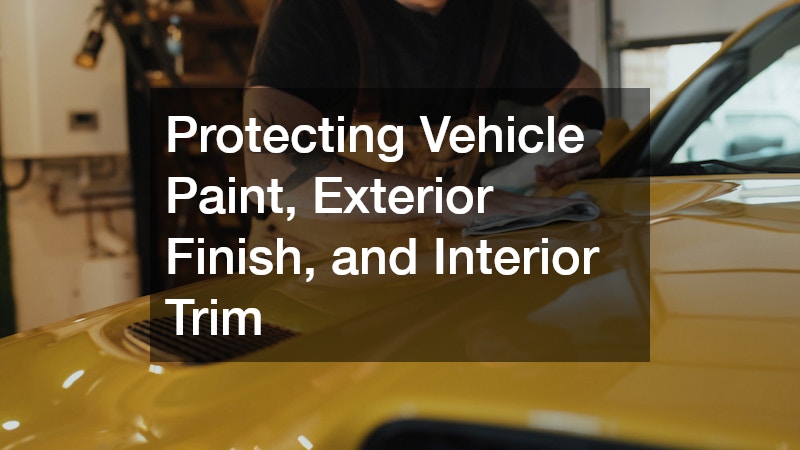
Depreciation is single-handedly the largest hidden cost of vehicle ownership. While mechanical components power your car, its visual condition dictates its market value when it comes time to trade in or sell privately. Sun exposure, acidic rain, road salt, bird droppings, and thermal cycling constantly degrade paint clear coats, rubber seals, and interior upholstery.
Shielding Bodywork and Paint from Harsh Elements
Allowing a vehicle to sit unprotected under scorching sunlight or heavy precipitation accelerates paint oxidation, surface clear-coat peeling, and undercarriage rust. Protecting your car’s exterior skin preserves its structural appeal and structural integrity over time.
-
Wash the exterior every two to three weeks using pH-balanced car soap to strip away road grime, brake dust, and tree sap before they etch into the paint.
-
Apply a high-grade synthetic paint sealant or ceramic coating twice a year to create a hydrophobic barrier against moisture, ultraviolet light, and road salt.
-
Park under cover whenever possible to shield exterior panels from sudden hail storms, falling branches, and intense heat accumulation.
-
Clean and flush the undercarriage thoroughly after winter road salt applications to prevent floor pan and subframe corrosion.
-
Touch up paint chips immediately with factory-matched paint pens to prevent exposed metal panels from developing surface rust spots.
When private garage space is limited or unavailable, building a shelter on your property offers a cost-effective shield against severe weather. Partnering with a reliable
carport company allows you to install durable metal or poly-topped covered parking to protect your paint, clear coat, and rubber window seals from premature failure.
Protecting Cabin Materials and Thermal Efficiency
The inside of an automobile experiences extreme temperature swings. Summer interior temperatures can easily top 140 degrees Fahrenheit, causing dashboard plastics to dry out and crack while fading interior leather and fabric.
Adding specialized glass treatments dramatically reduces heat gain inside the cabin. Installing premium ceramic
window film blocks up to 99 percent of harmful ultraviolet rays and significantly cuts solar heat, keeping interior surfaces cool, reducing air conditioning load, and preserving cabin upholstery for years.
Establishing Preventive Maintenance Routines for Core Mechanicals
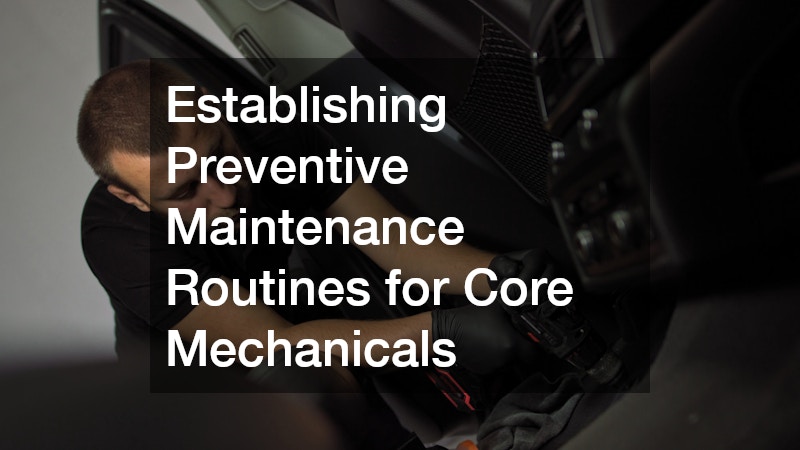
The mechanical heart of any vehicle—its engine, transmission, and drivetrain—requires clean fluids, calibrated sensors, and steady lubrication to function reliably. Neglecting fluid changes or ignoring early warning signs leads to severe mechanical breakdowns that disrupt your daily commute and strain your emergency fund.
Finding and Partnering with Qualified Service Technicians
Building a relationship with a skilled, honest repair facility is one of the most effective ways to avoid unnecessary repair costs. A trusted technician becomes familiar with your specific vehicle’s service history and can identify wear patterns before they turn into major breakdowns.
-
Seek out independent service shops employing technicians certified by Automotive Service Excellence (ASE) for specialized mechanical competence.
-
Request comprehensive digital vehicle inspection reports during routine service visits, complete with photos and fluid health checks.
-
Keep meticulous digital and paper service records organized in a binder to prove proper maintenance when selling the vehicle.
-
Look for facilities that offer nationwide warranties on parts and labor for added peace of mind during road trips.
-
Evaluate customer reviews and check local business listings to find facilities with a reputation for honest pricing and clear communication.
Developing a long-term service relationship with a reputable local
auto repair shop ensures your car receives consistent maintenance tailored to its mileage and age, preventing minor fluid leaks or sensor glitches from going unnoticed.
Managing System Diagnostics and Scheduled Fluid Services
Engine oil, transmission fluid, coolant, and power steering fluid deteriorate over time through heat, shear force, and oxidation. Fresh fluids reduce internal friction, cool moving parts, and carry away harmful microscopic wear particles.
-
Adhere strictly to the manufacturer’s maintenance schedule for oil, transmission, differential, and engine coolant service intervals.
-
Check engine oil level manually at least once a month to catch oil consumption issues early between service intervals.
-
Scan and address check engine lights immediately to prevent faulty oxygen sensors or misfires from ruining expensive catalytic converters.
-
Replace engine intake air filters and cabin air filters regularly to protect engine internals and maintain heater blower motor efficiency.
-
Flush power steering and brake hydraulic systems periodically to remove internal metallic debris and moisture accumulation.
When unusual engine sounds, rough idling, or fluid weeping occur beneath the hood, consulting an experienced
auto mechanic immediately allows you to diagnose and resolve minor underlying component wear before it leads to catastrophic engine failure.
Maintaining Running Gear, Tires, and Stopping Power
Properly managing high-wear items like tires and brakes maximizes tread life, preserves suspension parts, and protects your family on the road.
-
Extending Tire Life: Check tire pressures monthly, rotate tires every 5,000–7,500 miles, inspect tread depth, and maintain wheel alignment. For nails or screws, fast action through professional auto tire repair patches the tread safely, saving hundreds over replacing the set.
-
Brake Care: Flush hydraulic brake fluid every two years, listen for squeal indicators, brake smoothly, and inspect rubber lines during oil changes. Addressing pedal pulsation with timely brake repair replaces worn pads and resurfaces rotors before damaging wheel hubs or anti-lock sensors.
-
Comprehensive Care Services: Beyond tires and brakes, long-term ownership involves protecting your vehicle using a trusted carport company or secure car storage, alongside applying quality window film to preserve your interior.
-
Complete Maintenance & Replacement: Partnering with an expert auto repair shop and an experienced auto mechanic ensures routine mechanical health, while a mobile windshield replacement service quickly fixes cracked safety glass.
-
Lifecycle Management: Flexible before and after care service options make routine drop-offs simple around busy work schedules, and knowing when repairs outweigh value helps you decide when to buy a junk car to offboard an unviable vehicle smoothly.
Glass Care, Visibility Maintenance, and Schedule Integration
Clear visibility is non-negotiable for safe driving, yet automotive glass is continuously bombarded by flying gravel, road debris, and thermal stress. Managing your schedule to accommodate necessary maintenance ensures small safety hazards are addressed before they become major liabilities.
Addressing Glass Damage to Maintain Structural Integrity
Modern automotive windshields are not just wind deflectors; they are integrated structural components of the vehicle safety cell that support airbag deployment and structural roof strength during a rollover.
-
Repair stone chips and minor star cracks immediately with resin injection before temperature changes cause cracks to spread across the glass.
-
Replace worn or chattering windshield wiper blades every six months to prevent hardened rubber from scratching glass surfaces.
-
Clean interior glass regularly with ammonia-free cleaners to remove film buildup that amplifies night glare from oncoming headlights.
-
Clear ice and snow using soft plastic scrapers rather than hot water, which can instantly shatter cold safety glass through thermal shock.
-
Keep washer fluid reservoirs filled with seasonal formulas that contain de-icing agents during winter months and bug remover during summer.
When a small chip spreads into a large stress crack across your line of sight, the entire glass unit must be replaced. Utilizing a professional mobile windshield replacement service allows certified technicians to install factory-grade auto glass and recalibrate onboard safety cameras right in your driveway, saving you time while restoring structural safety.
Organizing Vehicle Maintenance Around Daily Schedules
Finding time to drop off a vehicle for service can be challenging for busy working adults and families balancing tight daily schedules. Modern automotive service providers offer convenient logistical options to simplify vehicle care.
-
Schedule routine service appointments weeks in advance to secure preferred morning drop-off slots and loaner vehicle availability.
-
Combine vehicle drop-offs with family routines, athletic activities, or work commutes to minimize back-and-forth driving.
-
Utilize digital payment portals and text-message approval systems offered by modern service centers to streamline repair authorizations.
-
Coordinate multi-car family maintenance days so one vehicle handles transportation while the second is undergoing routine service.
-
Take advantage of shuttle services offered by local repair centers to travel between the shop, your workplace, and home effortlessly.
Planning vehicle service around family commitments keeps maintenance stress-free. Choosing service providers that offer flexible before and after care service allows parents and working professionals to drop off keys early or pick up vehicles after standard operating hours without disrupting daily work or family routines.
Long-Term Storage Solutions and Aging Vehicle Offboarding
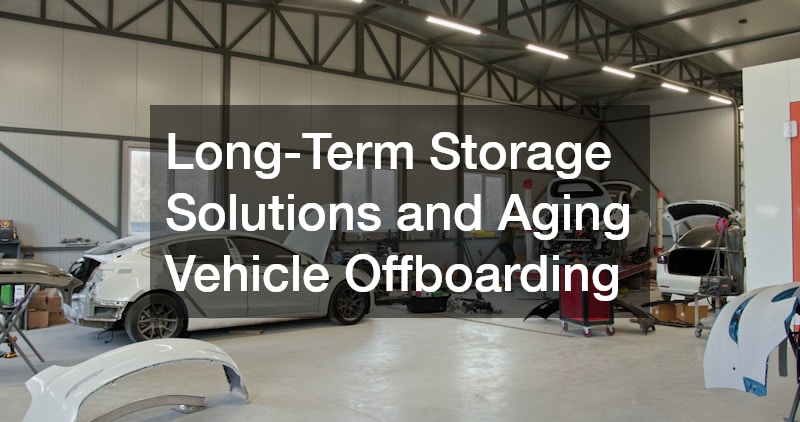
Whether you own a seasonal convertible, a secondary work truck, or an aging commuter car reaching the end of its functional life, long-term vehicle management requires specialized care strategies. Knowing when to store a vehicle properly—and when to walk away from a money pit—saves thousands of dollars.
Preserving Secondary or Seasonal Vehicles During Inactivity
Leaving a vehicle sitting idle outdoors for months at a time causes battery discharge, tire flat-spotting, fuel gumming, and internal engine corrosion. Proper storage protocols keep idle vehicles preserved and ready for use.
-
Add a high-grade fuel stabilizer to a full tank of gas and run the engine for ten minutes to circulate treated fuel through injectors.
-
Connect a smart battery tender to maintain battery charge voltage without overcharging or boiling away battery electrolyte.
-
Inflate tires to their maximum cold pressure rating to prevent permanent flat spots from forming on tread rubber during static storage.
-
Wash, dry, and detail the vehicle thoroughly to remove acidic bird droppings, road salt, and dirt before parking long-term.
-
Place moisture-absorbing desiccant packs inside the cabin and plug exhaust pipes with breathable mesh to deter rodents.
Leaving a secondary car parked on a dirt driveway or exposed to harsh winter elements invites accelerated undercarriage rust and pest infestation. Renting a secure, indoor car storage space protects stored vehicles from seasonal storms, extreme temperature fluctuations, and rodent damage, ensuring your secondary automobile stays in pristine condition.
Evaluating Repair Limits and Retiring Non-Viable Vehicles
Every automobile eventually reaches a point where ongoing maintenance costs outpace its functional value. Continuing to dump money into a heavily worn vehicle with severe mechanical issues is a poor financial strategy.
When catastrophic mechanical or structural failures make an older car unsafe or financially impossible to justify repairing, it is time to offboard the vehicle. Reaching out to a service that will buy a junk car allows you to clear away a non-running vehicle quickly, receive instant cash payment, and apply those funds toward a safer, more reliable replacement car.
Financial Budgeting and Ownership Cost Tracking
Managing vehicle ownership costs requires active financial planning. Establishing a dedicated transportation budget eliminates the stress of unexpected repairs and gives you total control over your auto spending.
Establishing a Sinking Fund for Ongoing Vehicle Expenses
Instead of reacting with panic when a water pump leaks or tires wear thin, establish a monthly automotive sinking fund to cover routine maintenance and unexpected repairs smoothly.
-
Transfer $75 to $150 per month into a dedicated high-yield savings account reserved exclusively for auto maintenance and repairs.
-
Audit your auto insurance policy annually, shopping for competitive quotes and adjusting coverage limits based on your vehicle’s current market value.
-
Increase your insurance deductible slightly if you have an established emergency fund, which can lower your monthly premium payments significantly.
-
Keep track of fuel economy trends using your trip odometer; sudden drops in miles per gallon often signal underinflated tires or failing engine sensors.
-
Plan for major scheduled service milestones (such as timing belt replacements or spark plug updates at 60,000 or 100,000 miles) years in advance.
Tracking Total Cost of Ownership to Time Future Trade-Ins
Documenting every dollar spent on your car provides valuable insights into its real-world cost per mile. This data tells you exactly when it is financially optimal to hold onto a car or trade it in for a newer model.
Taking control of your vehicle’s maintenance, storage, and repair needs transforms automobile ownership from an unpredictable expense into a manageable, highly efficient transportation strategy. By taking proactive steps to protect paint, maintain core mechanicals, address minor glass and tire damage immediately, and track total expenses, you extend the operational life of your car while keeping your long-term cost of ownership as low as possible.